
Get Support
123-456-789-10
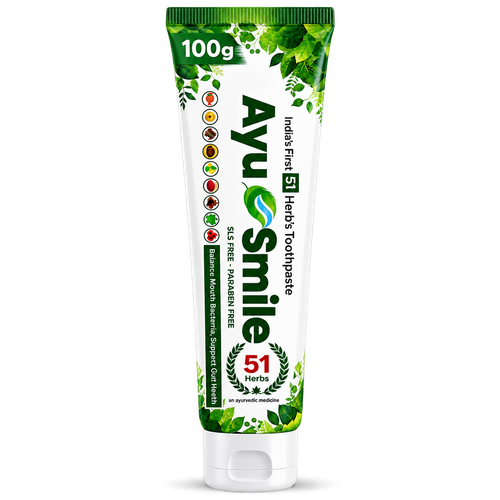
Ayu Smile
Made with 51 carefully selected herbal ingredients to support natural oral care and everyday freshness. A thoughtfully integrated blend of traditional herbs and natural botanicals for a gentle, refreshing brushing experience.
Experience the goodness of Ayurvedic oral care with every brush. Our herbal toothpaste helps maintain clean teeth, healthy gums, fresh breath and overall oral hygiene, making it an ideal choice for your daily dental-care routine
Ingredients
Anjeer Ficus Carica
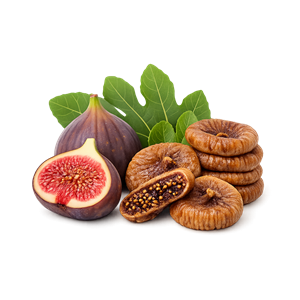
Strengthening Gums: Traditional practices note that chewing fibrous or raw fig parts can stimulate blood flow in gums and support surrounding tissues.
Ajwain Trachyspermum ammi
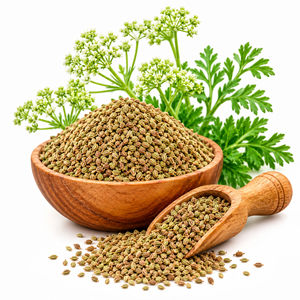
Fights Plaque and Bacteria: Active plant oils disrupt cell walls of cavity- and plaquecausing bacteria like Streptococcus mutans and periodontal pathogens.
Reduces Gum Inflammation: Extracts help manage plaque-induced gingivitis and lower gum bleeding scores.
Relieves Toothaches: Traditional use includes easing tooth pain and reducing bad breath.
Agnimanth Clerodendrum Phlomidis
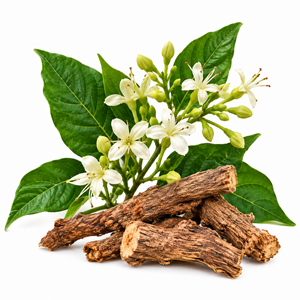
Adrak Zingiber Officinale
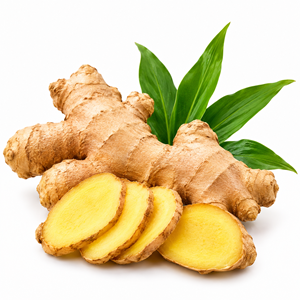
Fights Plaque: Active compounds like raffinose in ginger help stop sticky bacterial layers from forming on your teeth.
Reduces Bacteria: Ginger extracts target harmful mouth germs like Streptococcus mutans, which causes tooth decay.
Calms Gum Swelling: Its natural anti-inflammatory properties help soothe sore gums and lower the risk of gingivitis.
Relieves Pain: Chewing raw ginger or using ginger extracts can offer temporary relief from
toothaches and mouth soreness.
Anantmool Hemidesmus Indicus
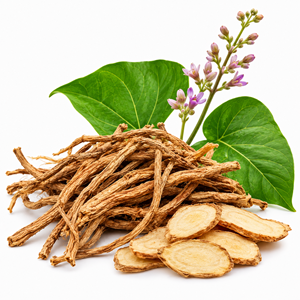
Blood Detoxification: Acts as a natural cleanser to remove body toxins and improve
complexion.
Digestion Support: Eases indigestion, reduces stomach heat, and improves appetite.
Anar Punica Granatum
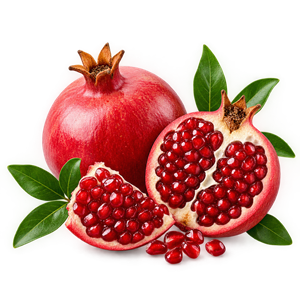
Key Dental Benefits
Fights Plaque and Bacteria: Pomegranate mouthwash reduces cavity-causing bacteria
like Streptococcus mutans as effectively as standard chemical rinses.
Improves Gum Health: Active compounds help decrease gum bleeding and soothe
swelling associated with gingivitis and periodontitis.
Prevents Microbial Adhesion: Natural tannins and polyphenols stop harmful microbes
from sticking to the surface of your teeth.
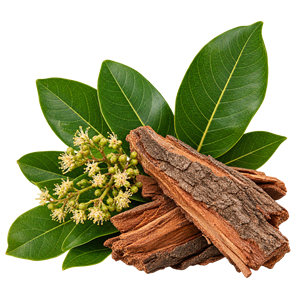
Arjun Terminalia Arjuna
Apamarga Achyranthes Aspera
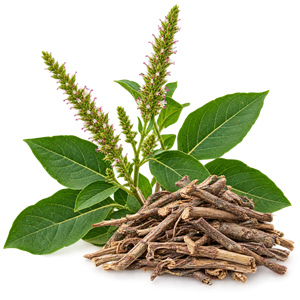
Traditional Dental Uses
Twig Brushing: Tender stems and roots are used directly as organic toothbrushes to clean teeth and tighten gums.Tooth Powder: Plant ash or powdered roots mixed with salt and mustard oil are rubbed on teeth to treat pyorrhea and pain.
Mouthwash & Infusions: Twig infusions are used as a rinse to soothe toothaches and mouth discomfort
Ashok Saraca Indica
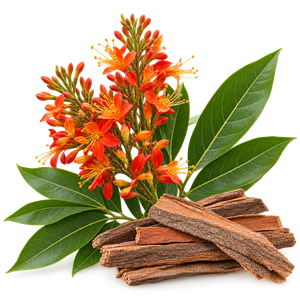
The Ashoka tree (Saraca asoca) offers key health benefits including Blood cleansing: Acts as a natural
detoxifier to clear skin issues like acne and rashes,
Gut comfort: Relieves bloating, constipation, and stomach cramps
Ashwatha Ficus Religiosa
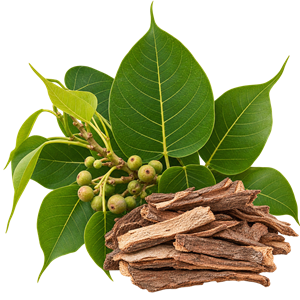
Ashvattha tea (made from the sacred fig or peepal tree, Ficus religiosa) helps manage digestive wellness, and reduces inflammation
Amla Emblica Officinalis

Fights bacteria: Extracts from Emblica officinalis help lower oral bacteria counts, including
harmful strains like Streptococcus mutans and Lactobacillus, which contribute to tooth
decay
Reduces gum inflammation: Its high antioxidant and tannin content helps soothe gum
swelling and manages plaque-induced gingivitis or periodontitis
Freshens breath: Amla fruit extracts suppress volatile sulfur compounds in the mouth,
helping to alleviate bad breath
Strengthens tissue: Traditional formulations incorporating amla (such as Triphala) act as
effective mouthwashes to support periodontal health and tighten gum tissues.
Imli Tamarindus Indica

Reduces swelling: Compounds in the bark and leaves display natural anti-inflammatory and
antimicrobial properties.
Fights free radicals: High vitamin C and antioxidant contents protect cells from oxidative
stress.
Aam Mangifera Indica

Oral Health Properties
Placque Reduction: Gargling with a mango leaf decoction significantly lowers dental plaque index scores.Bacteria Control: Mango extracts decrease harmful Streptococcus mutans bacteria and inhibit biofilm formation on teeth.
Salivary Balance: Traditional use and studies note that extracts can help balance oral health by raising salivary pH levels.
Gum Support: Compounds like tannins, resins, and mangiferin provide astringent and antiseptic effects that tone and protect gum tissues.
Udumber Ficus Racemosa
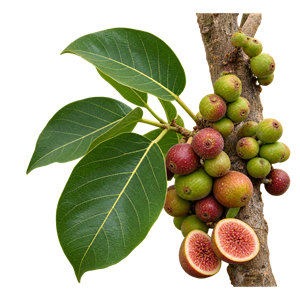
Anti-Inflammatory: Reduces swelling and joint discomfort.
Antimicrobial & Antioxidant: Fights harmful bacteria and protects cells from oxidative
damage.
Kai Babool- Acacia Nilotica
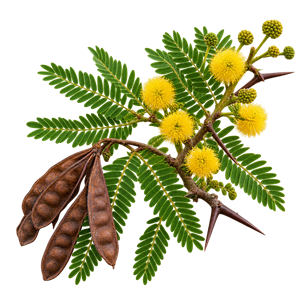
Oral Health Benefits of Babool
Strengthens Gums and Teeth: Traditional bark decoctions and twig use help firm up loose tissue and support dental stability.Fights Plaque and Cavities: Rich in tannins and polyphenols, the plant acts as an effective antiplaque agent against bacteria like Streptococcus mutans.
Relieves Pain and Bleeding: Gargling with bark extracts helps soothe toothaches, mouth ulcers, and bleeding gums.
Karanj-Pongamia Pinnata
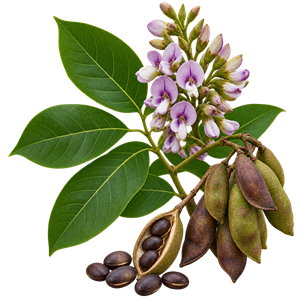
Oral and Dental Benefits
Fights Germs: Contains natural antibacterial properties that kill harmful mouth bacteria.Strengthens Gums: Massages and tones sore or swollen gums, reducing bleeding and preventing pyorrhea.
Prevents Decay: Helps clear plaque buildup, cavities, and toothaches.
Freshens Breath: Removes odor-causing bacteria to keep the mouth fresh all day.
Kali Mirch-Piper Nigrum
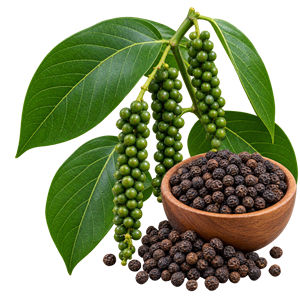
Oral Health Uses
Relieves Pain: A pinch of crushed black pepper mixed with a little salt can be placed on a aching tooth to numb sharp pain.Soothes Gums: Massaging the gums with a mixture of black pepper powder and salt helps reduce inflammation and bleeding.
Freshens Breath: Its antimicrobial action helps clear out odor-causing bacteria in the mouth.
Khadira-Acacia Catechu
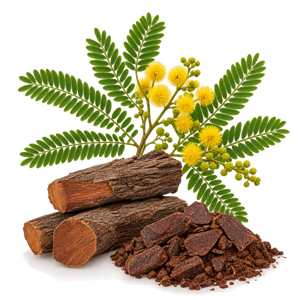
Benefits for Oral Health
Strengthens Gums: The strong astringent (kashaya) property of Khadir helps tighten loose gums and reduces swelling.Stops Bleeding: It acts as a natural haemostatic agent, making it useful for bleeding gums and mild oral injuries.
Fights Bacteria: Rich in catechins and tannins, it targets plaque-causing bacteria like Streptococcus mutans to prevent decay and bad breath.
Soothes Ulcers: It helps heal mouth sores, throat discomfort, and inflammation.
Giloy -Tinospora Cordifolia
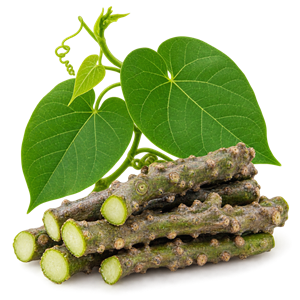
Traditional Uses and Properties
Plant compounds: Contains antioxidants and anti-inflammatory agents that support general immunity, rather than curing specific tooth problems like cavities or decay.Chavya-Piper Retrofractum
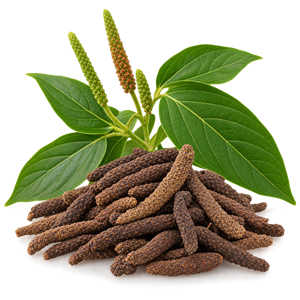
Clears airways: Relieves cough, asthma, and chest congestion with its warming nature.
Fights germs: Acts as a natural antioxidant to strengthen the immune system
Chhoti Pipli -Piper Longum
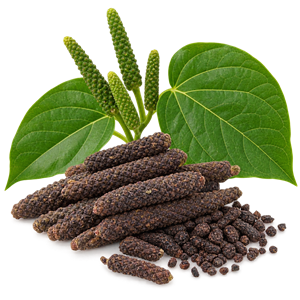
Sensitivity Control: Rub a paste made of pippali powder, honey, and ghee on sensitive teeth
to calm cold or heat discomfort.
Gum Care: Combine pippali powder with pinch amounts of rock salt, turmeric, and mustard
oil, then gently massage the mix on teeth and gums to reduce swelling and fight bacteria.
Jamrukh-Psidium Guajava
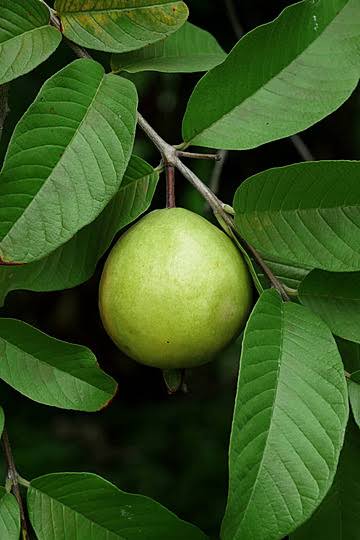
Benefits for Teeth and Gums
Pain Relief: Boiling tender guava leaves with a little salt and cloves creates a rinse that
eases tooth and gum pain.
Fresh Breath: Regular use of a guava leaf decoction as a mouthwash reduces mouth
odors and fights bacteria.
Traditional Brushing: Twigs from the guava tree (datun) are traditionally used to clean
teeth and massage soft gums safely.
Jamun-Syzygium Cumini
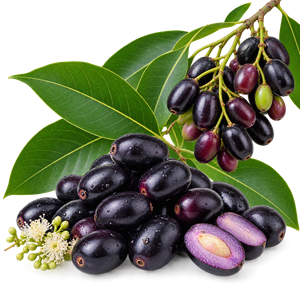
Key Oral Benefits of Jamun
Fights Gum Disease: Jamun has natural antibacterial and astringent properties. It contains tannins (like tannic acid) that act as a vasoconstrictor, tightening gums, reducing swelling, and preventing bleeding.Strengthens Teeth: The fruit contains essential minerals like calcium, magnesium, and phosphorus, which are vital for building strong teeth and bones.
Prevents Infections: Its antimicrobial and antioxidant properties prevent the buildup of cavity-causing bacteria and promote a fresher breath.
Vitamin C Support: High levels of vitamin C help in maintaining healthy connective tissue in the gums, holding your teeth firmly in place.
Dalchini-Cinnamomum Zeylanicum
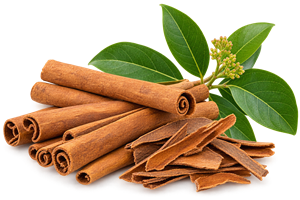
Key Oral Benefits
Fights Bad Breath: Cinnamaldehyde targets and kills the specific bacteria responsible for foul odors rather than just masking the smell.Reduces Gum Inflammation: Its natural anti-inflammatory properties help soothe swollen or bleeding gum tissues.
Prevents Decay and Plaque: Strong antimicrobial effects help stop harmful oral bacteria and fungi from multiplying, lowering the risk of cavities and gum infections.
Saliva Stimulation: Chewing a tiny piece of a cinnamon stick after meals boosts saliva production to clean your mouth naturally.
Nimbu-Citrus Medica
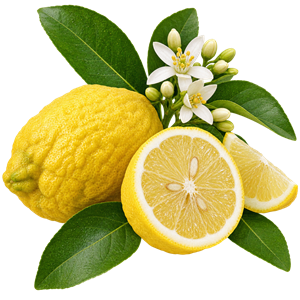
Antimicrobial and Gum Health
Combating Oral Pathogens: Laboratory studies show that Citrus medica essential oil
(rich in limonene) has notable antimicrobial and antifungal properties that inhibit
microorganisms responsible for dental caries and oral infections.
Gingivitis and Periodontal Support: Traditional texts and modern reviews note that fruit
extracts and preparations from the plant help reduce chronic gingivitis, oral ulcers, and
bleeding gums (such as those related to vitamin deficiencies) due to their antiinflammatory and antioxidant actions.
Traditional Hygiene: Historically, powdered dried rinds of Citrus medica have been used
as natural tooth-scouring agents and components in traditional oral care formulations.
Nirgundi-Vitex Negundo
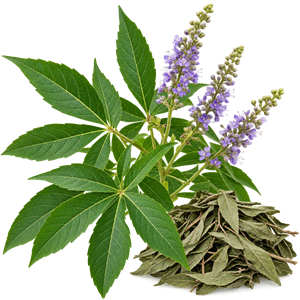
Oral and Dental Uses
Toothache relief: Acts as a natural pain-killer to ease throbbing tooth pain.
Gum care: Reduces swelling and inflammation in sore or weak gums.
Fights bad breath: Rinsing with a warm leaf decoction helps clear mouth odor
Neem-Azadirachta Indica
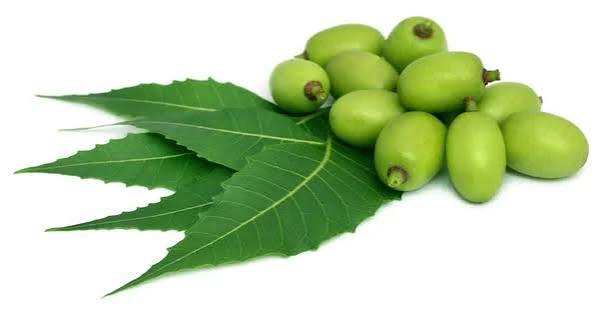
Key Oral Benefits
Kills Bacteria: Natural compounds in neem target and destroy mouth bacteria that cause
cavities and bad breath.
Soothes Gums: Anti-inflammatory properties help reduce swollen, bleeding, or sore gums
associated with gingivitis.
Fights Plaque: Regular use helps break down sticky bacterial films before they can
harden into stubborn tartar.
Piyabasa-Barleria Prionitis

Traditional Dental Uses
Toothache Relief: Medicated oil prepared from the leaves and root bark of Piyabasa is
applied to ease severe tooth pain.
Gum and Mouth Care: The plant parts help reduce local inflammation and swelling in the
gums.
General Oral Health: Known as Vajradanti (meaning "diamond teeth") in regional
traditions, extracts and decoctions from the plant have long been used to strengthen
teeth and manage oral infections
Pudina-Mentha Spicata
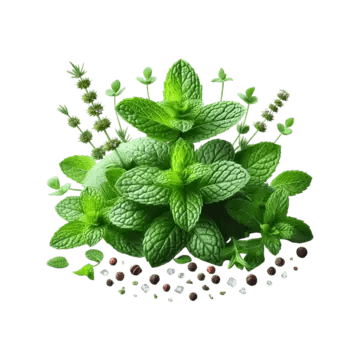
Key Oral Benefits
Fights Bacteria: Active compounds like menthol and rosmarinic acid target and slow
down germs that cause plaque and decay
Freshens Breath: It neutralizes odor-causing compounds rather than just masking bad
smells.
Soothes Gums: Anti-inflammatory properties help ease swelling and irritation in the gum
tissue.
Boosts Saliva: Using or chewing mint stimulates saliva flow, which naturally washes away
food particles and protects enamel
Bakayan-Melia Azedarach
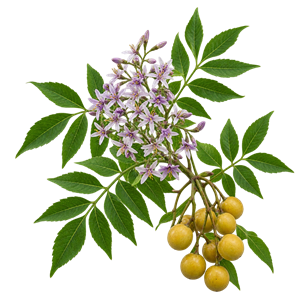
Traditional Dental Applications
Chewing Sticks (Datun): Indigenous and rural communities historically use young, tender
stems and twigs of Melia azedarach as natural toothbrushes. Chewing the tip frays the
wood into coarse bristles used to scrub teeth and massage the gums.
Toothache Relief: Aqueous extracts or the mechanical action of chewing the raw bark
and twigs are credited in folk remedies with easing acute tooth pain.
Gargling and Mouthwashes: Decoctions made from boiling the rough inner bark are
sometimes traditionally swished or gargled to address sore gums and mouth ulcers
Bakul-Mimusops Elengi
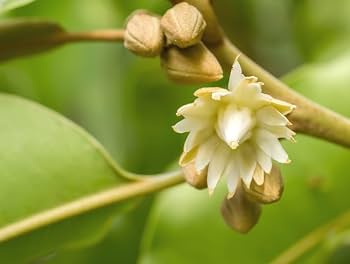
Oral Health Benefits of Bakul
Gum Strengthening: The natural astringent properties in Bakul bark tighten loose gums and prevent gingivitis.Pain Relief: Chewing tender parts or using bark extracts helps soothe severe toothaches. Infection Control: Antimicrobial and antibacterial actions fight harmful mouth bacteria that cause bad breath and decay.
Ulcer Healing: Gargling with a cold infusion or decoction of the bark clears mouth ulcers and throat infections.
Badri-Ziphus Mauritiana
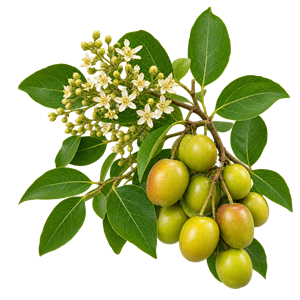
Oral and Dental Properties
Fighting Bacteria: Extracts from Ziziphus leaves and seeds contain flavonoids and tannins that help fight harmful mouth bacteria.Healing Support: Specialized uses like Ziziphus honey can help improve bone and tissue healing after a tooth extraction.
Reducing Inflammation: Traditional use of the bark and leaves helps soothe swollen or sore gums.
Baboo-Acacia Arabica
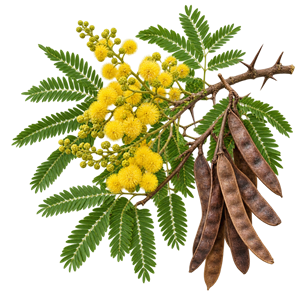
Oral Health Benefits
Reduces Plaque: Helps stop early plaque buildup on teeth and gums.Fights Gum Disease: Lowers inflammation, bleeding, and signs of gingivitis.
Kills Bad Bacteria: Inhibits harmful microbes like Porphyromonas gingivalis that cause tooth decay and gum infections.
Strengthens Gums: Acts as a natural astringent to tighten and support loose or spongy gums.
Aids Enamel Health: Contains minerals like calcium that help protect and remineralize tooth enamel
Bargad-Ficus Benghalensis
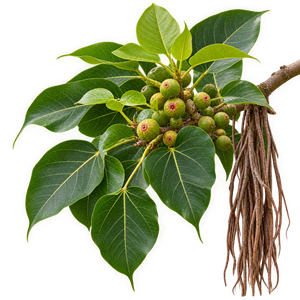
Oral Health Benefits
Strengthens Gums: Chewing or brushing with tender aerial roots or bark acts as a natural astringent, firming up loose or bleeding gums.Fights Plaque and Bacteria: The natural antimicrobial properties neutralize harmful bacteria in the mouth that cause cavities and plaque buildup.
Relieves Bad Breath: Rinsing with a warm bark decoction or brushing regularly helps clear foul odors and mouth ulcers
Baheda-Terminalia Bellirica
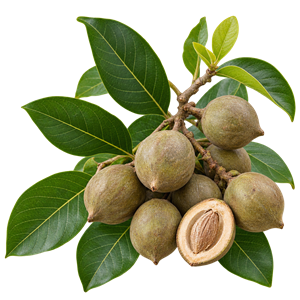
Oral and Dental Benefits
Reduces bad breath: Rinsing the mouth with a warm decoction made from boiled Baheda fruit shells helps eliminate bad breath (halitosis).Soothes mouth ulcers: Its natural astringent and healing properties assist in calming and reducing painful mouth sores.
Strengthens gums: Regular use as an oral rinse helps tighten and tone gum tissues, supporting overall periodontal health.
Fights oral microbes: The high tannin content provides mild antimicrobial action against bacteria in the oral cavity
Mahuva -Madhuca Longifolia
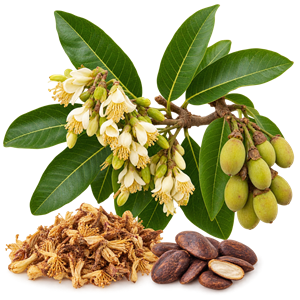
Traditional Dental Uses of Mahua
Twigs as Datun: Using fresh Mahua twigs to brush teeth helps clean teeth, remove harmful bacteria, and stop bad breath.Bark Decoction Gargle: Mixing bark extract with water and gargling helps treat bleeding or spongy gums and eases throat pain.
Antimicrobial Action: Natural compounds like triterpenoid saponins in the bark fight mouth germs that cause tooth and gum decay.
Mehndi -Lawsonia Inermis
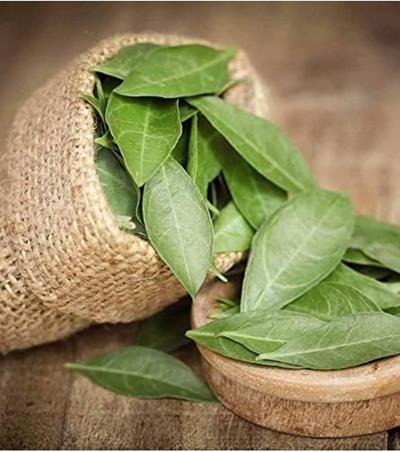
Traditional Oral Benefits
Gum Health: Chewing or rubbing with plant twigs helps soothe sore gums and reduce swelling.Microbial Control: Henna contains natural Antimicrobial activity that may help lower harmful bacteria in the mouth.
Clean Teeth: Traditional use acts as a mechanical tool to clean food particles and maintain basic hygiene.
Majuphal-Quercus Infectoria
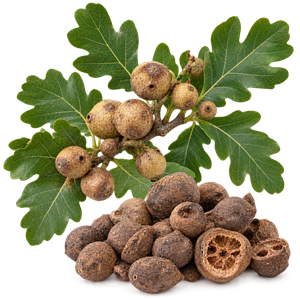
Gum and Tooth Benefits
Stops Bleeding: The high tannin content shrinks and heals bleeding or spongy gums.Tightens Gums: Its heavy drying action firms up loose tissue around the teeth.
Kills Bacteria: It fights germs in the mouth that cause bad breath, plaque, and tooth decay.
Relieves Pain: It helps calm minor toothaches and sore, swollen gums.
Miswak-Salvadora Persica
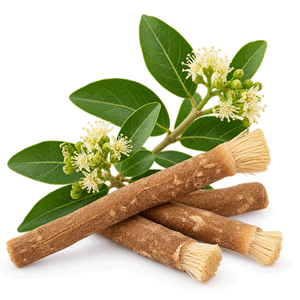
Fights Plaque and Bacteria: Natural antimicrobial agents and resins reduce harmful bacteria and lower the risk of gum inflammation (gingivitis).
Strengthens Enamel: Natural minerals like fluoride, calcium, and chloride help protect and remineralize tooth enamel.
Reduces Stains: Mild natural silica acts as a gentle abrasive to scrub away surface discoloration from coffee, tea, or food.
Stimulates Saliva: Chewing the stick increases saliva production, which naturally washes away acids and food particles
Musta-Cyperus Rotundus
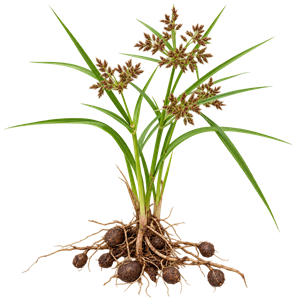
Oral and Dental Properties of Musta
Fights Plaque and Cavities: Extracts from Musta rhizomes inhibit common oral pathogens that lead to dental caries.Soothes Gums: Its natural anti-inflammatory compounds help reduce gum swelling and discomfort associated with gingivitis.
Supports Healing: Used in traditional formulations for managing mouth ulcers and general oral hygiene.
Yashtimadhu- Glycyrrhiza Glabra
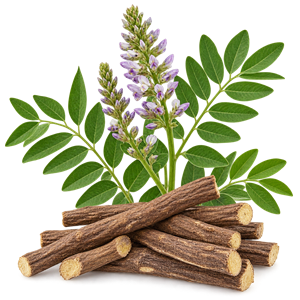
Key Oral and Dental Benefits
Fights Cavities: Active compounds like flavonoids inhibit Streptococcus mutans, the primary bacteria responsible for tooth decay and dental plaque.Soothes Gums: Anti-inflammatory properties reduce gum swelling, bleeding, and discomfort linked to gingivitis.
Heals Mouth Sores: Forms a protective coating over oral mucosa to accelerate the healing of painful mouth ulcers and minor wounds.
Freshens Breath: Antimicrobial action targets volatile sulfur-producing microbes that cause bad breath.
Lodhra-Symplocos Racemosa
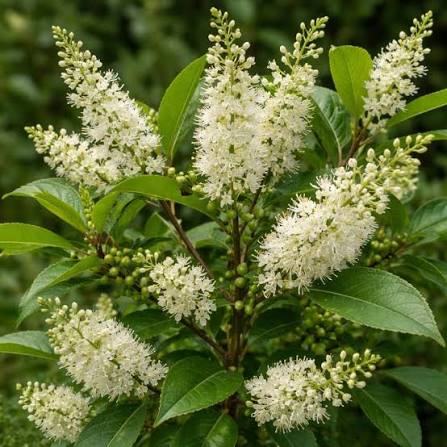
Oral and Dental Uses
Reduces Gum Swelling: Applying fine lodhra bark powder mixed with a little honey directly to sore gums helps lower inflammation.Relieves Pain: Its cooling and healing nature helps soothe toothaches and mouth discomfort.
Strengthens Gums: Traditional herbal toothpastes use lodhra extracts alongside neem and clove to support overall oral hygiene.
Vacha-Acorus Calamus
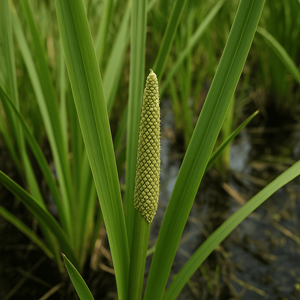
Oral and Dental Uses
Tooth Pain Relief: Eases aches when applied locally due to natural numbing and antiinflammatory action.Combats Bacteria: Fights microbes in the mouth that cause bad breath and decay.
Gum Support: Helps reduce swelling and inflammation in the gums.
Vasa-Justicia Adhatoda
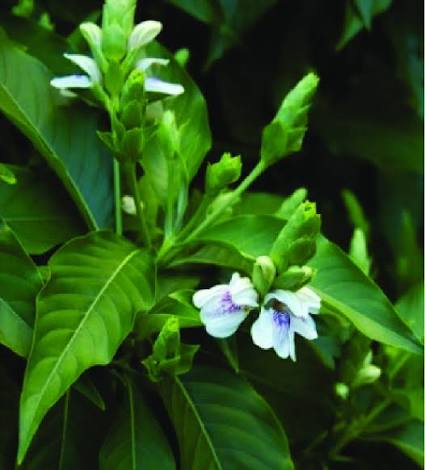
Oral and Dental Advantages
Mouth Ulcers: Chewing fresh vasa leaves or using their juice helps soothe and heal painful sores in the mouth.Bad Breath: Its antimicrobial properties help reduce odor-causing bacteria in the oral cavity.
Gum and Plaque Care: Herbal extracts and specialized formulations help fight plaque buildup and support overall gum healt.
Vidanga-Embelia Ribes Burm
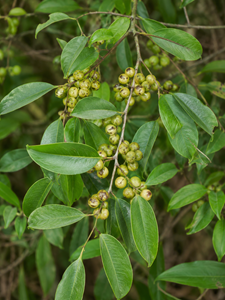
Dental and Oral Uses
Gargling: A decoction made from Vidanga seeds is used as a mouth rinse or gargle to soothe toothaches.Antimicrobial Action: It helps fight germs, fungi, and micro-organisms in the mouth that lead to cavities and decay.
Sore Throats and Ulcers: The astringent properties of the plant parts are also traditionally used to help heal mouth ulcers and sore throats
Shami-Prosopis Cineraria
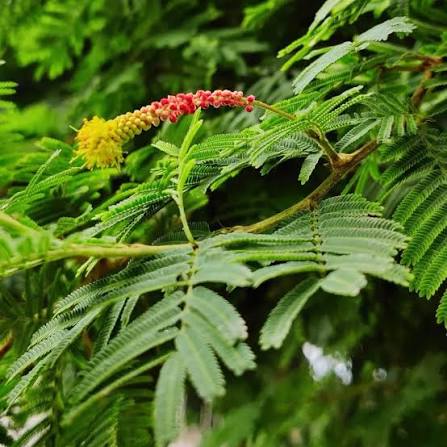
Oral and Dental Uses
Relieves Toothache: Chewing gently on a fresh, soft Shami twig helps numb and soothe
sharp tooth pain within minutes.
Reduces Gum Swelling: The natural anti-inflammatory properties in the bark and twigs
help calm angry, swollen, or bleeding gums.
Heals Mouth Sores: Rinsing the mouth with a decoction made from Shami bark or
keeping a crushed piece near a sore helps heal oral ulcers faster.
Shirish-Albizia Lebbeck
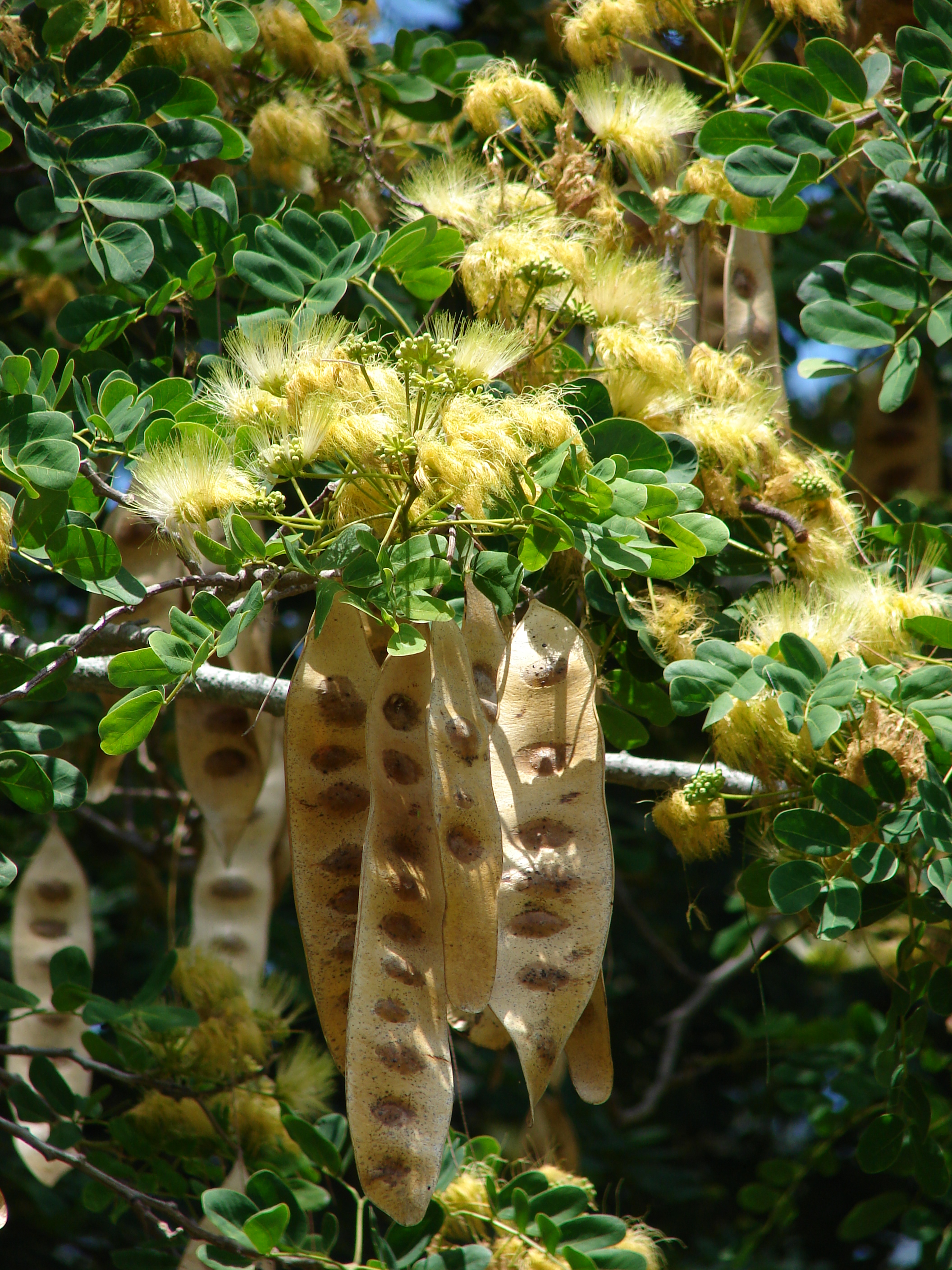
Dental and Gum Benefits
Strengthens teeth: Traditional use of the Shirish Plant bark and twigs helps make tooth
structures firmer.
Heals gingivitis: Reduces swelling and bleeding in the gums.
Freshens breath: Helps eliminate foul odors by reducing microbial growth in the mouth.
Gargling aid: A decoction made from the bark is often used as a mouth rinse or gargle to
soothe dental pain and oral infections.
Santra-Citrus Reticulata

Gum and Enamel Health Benefits
Stronger Gums: High levels of Vitamin C support blood vessels and connective tissue in
the gums, reducing the risk of gum disease and gingivitis.
Infection Prevention: Antioxidants in oranges help lower oral inflammation and fight
harmful bacteria in the mouth.
Safed Sheesham- Dalbergia Sissoo
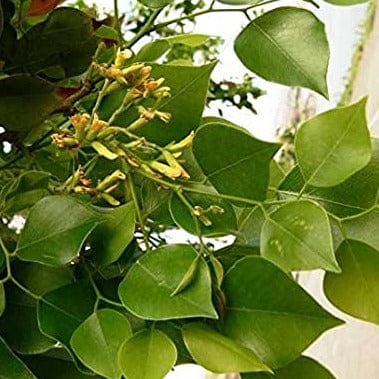
Anti-inflammatory compounds help
Harad-Terminalia Chebula
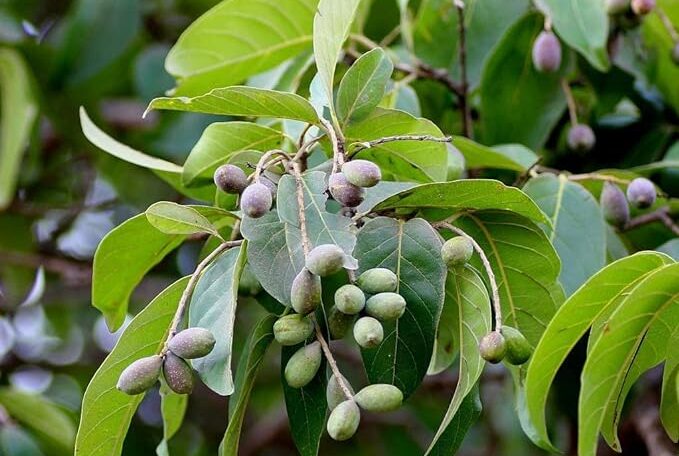
Oral Health Advantages
Fights bacteria: Stops harmful mouth germs from growing, which lowers the risk of tooth
decay.
Soothes gums: Helps reduce gum pain and bleeding when used as a mouth rinse or tooth
powder.
Prevents bad breath: Cleans the mouth thoroughly and removes odor-causing bacteria.
Haldi-Curcuma Longa
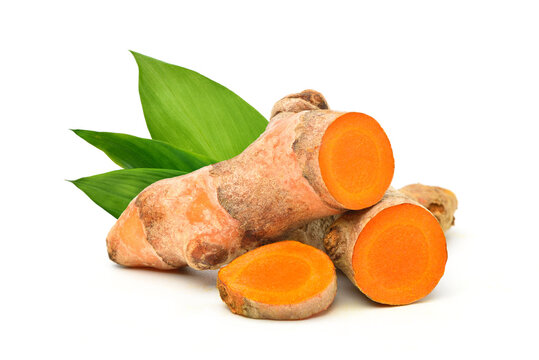
Verified Oral Health Benefits
Fights Gum Inflammation: Curcumin helps manage gingivitis and reduces swollen,
irritated gums just as well as some standard medical mouth rinses.
Reduces Bacteria: Its natural antimicrobial properties help lower plaque buildup and
harmful bacteria inside the mouth.
Soothes Pain: It offers temporary relief from minor toothaches or painful mouth sores.